Tooting Market upholstery cleaning and stain tips: a practical local guide to fresher fabrics
If you live, work, or shop around Tooting Market, you already know how quickly soft furnishings can take a hit. A coffee spill after a rushed breakfast, a bit of food grease from a market snack, damp shoes on a rainy London afternoon - it all adds up. That is why Tooting Market upholstery cleaning and stain tips matter more than most people realise. The goal is not just to make a sofa or dining chair look cleaner for a day; it is to protect the fabric, lift odours, and slow down wear before it becomes expensive to fix.
This guide keeps things straightforward. You will learn how upholstery cleaning works, which stain treatments are safe to try at home, where people often go wrong, and when it makes sense to bring in a specialist. We will also cover local practicalities, including what to expect from a professional deep clean and how to avoid turning a small mark into a permanent one. Simple enough, really. But there are a few details that make all the difference.
Why Tooting Market upholstery cleaning and stain tips matters
Upholstery is one of those things people stop noticing until it looks tired. Then suddenly the armrest is shiny, the seat cushion has a mystery patch, and the whole room feels a bit neglected. Around Tooting Market, that tends to happen faster than people expect because homes and businesses get a lot of daily use. Kitchens are busy, visitors come and go, and soft furnishings hold onto crumbs, body oils, dust, and smells in a way hard surfaces simply do not.
There is also a false economy to leaving stains alone. A fresh spill may look small, but if it sits too long it can travel deeper into the fibres and backing. That makes cleaning harder and raises the risk of water marks, colour loss, or a lingering odour. In our experience, the quickest wins usually come from acting early and keeping the treatment gentle. Harsh scrubbing rarely helps. It usually makes the fabric look angrier than before.
Local relevance matters too. In a busy area like Tooting, furniture in family homes, rented flats, cafes, waiting areas, and small offices gets used hard. That means regular maintenance is not a luxury; it is part of keeping a space presentable and comfortable. If you are also managing a property or shared space, upholstery care sits neatly alongside domestic cleaning, office cleaning, or even occasional one-off cleaning when things have gotten away from you.
Expert summary: the earlier you treat a stain, the better your chance of removing it without damaging the fabric. Blot first, test second, scrub never.
How Tooting Market upholstery cleaning and stain tips works
Good upholstery cleaning is part science, part patience. The fabric type, stain type, age of the stain, and moisture level all affect the result. There is no single magic solution, even though the internet sometimes acts like there is. What works on polyester may be too risky for wool. What lifts a tea spill may do almost nothing to a grease mark.
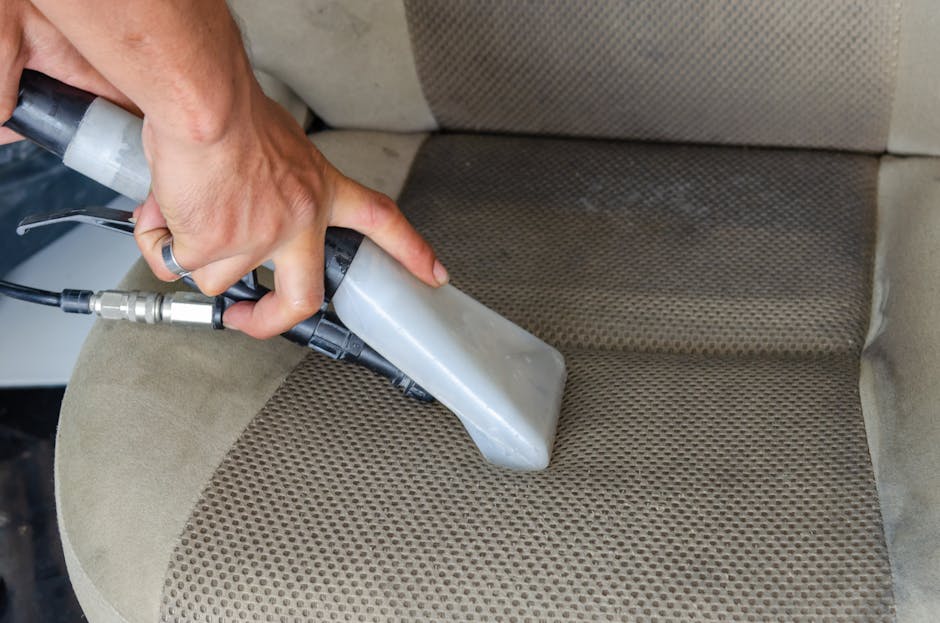
Professionals usually begin by identifying the fibre and checking how the fabric reacts to moisture. That matters because natural fibres, synthetic blends, velvet, boucle, and delicate weaves all behave differently. A proper clean normally includes pre-inspection, dry soil removal, spot treatment, controlled cleaning, and careful drying. If needed, a follow-up pass handles stubborn marks or odours. For deeply embedded dirt, a deep cleaning approach is often more suitable than a quick surface refresh.
Stain removal at home follows the same logic, just on a smaller scale. Start by removing loose debris. Blot the spill with a clean white cloth. Use a mild solution if the fabric can tolerate it. Work from the outer edge of the stain inward so it does not spread. Then dry the area properly. That last part is easy to rush, and honestly, it is where a lot of DIY attempts go sideways.
For sofas specifically, the cleaning process may overlap with sofa cleaning, while chairs, headboards, footstools, and benches fall under broader upholstery cleaning. The principles are the same even if the shapes are not. A curved dining chair does not care that the stain is stubborn. It still needs the right method.
Key benefits and practical advantages
There is a clear visual benefit to clean upholstery, of course. But the less obvious gains are often more valuable. Fresh fabric smells better, feels nicer, and helps a room feel cared for. That can matter whether you are hosting guests, preparing a rental property, or just trying to make Monday morning slightly less depressing. Let's be fair, a clean sofa does lift the mood.
- Longer fabric life: dirt particles act a bit like fine sandpaper when left in fibres.
- Better hygiene: regular cleaning removes dust, crumbs, skin oils, and trapped debris.
- Odour control: spills and everyday use can create a dull, stale smell that hangs around.
- Improved appearance: even a careful spot clean can make a room look more polished.
- Better stain resistance over time: treated fabric often copes better with future spills.
There is a practical advantage too: keeping on top of stains reduces the need for emergency cleaning. That is especially useful in shared homes, rental turnovers, or busy households where life happens at speed. If you are moving out, a combination of furniture care and end of tenancy cleaning can help a property present well and reduce avoidable disputes.
Who this is for and when it makes sense
This topic is useful for a few different groups. The obvious one is homeowners and renters around Tooting who want to keep furniture looking decent without replacing it too soon. But it also makes sense for landlords, letting agents, small business owners, and anyone managing a reception area, waiting room, or customer-facing space.
You may especially need these tips if:
- you have children or pets and stains appear with alarming regularity;
- your upholstery sees heavy daily use;
- there are older marks that have been ignored for months;
- you are worried about using the wrong product on a delicate fabric;
- you need a room to look clean before guests, tenants, or clients arrive.
Sometimes the right choice is not a full professional clean straight away, but a cautious spot treatment and a bit of maintenance. Other times, especially with set-in stains or mixed fabric types, a professional visit is the safer call. If the item is part of a larger refresh, pairing upholstery care with home cleaners or a broader house cleaning service can make the whole place feel reset instead of half-done.
Step-by-step guidance
Here is a sensible way to approach upholstery cleaning without making things worse. Nothing flashy. Just a method that works.
- Check the care label. Look for cleaning codes or fabric instructions. If you cannot find them, be conservative.
- Vacuum first. Use a soft upholstery attachment to remove dust, crumbs, and loose dirt from seams and creases.
- Identify the stain. Food, drink, grease, ink, mud, and body oils each need a slightly different approach.
- Blot, do not rub. Use a clean white cloth or paper towel to lift as much as possible.
- Test any cleaner on a hidden area. This is the bit people skip, then regret later.
- Apply a small amount of solution. Work lightly and avoid soaking the fabric.
- Blot again with a fresh cloth. Repeat until the stain fades or transfers no more.
- Rinse carefully if needed. Use minimal water and remove residue so it does not attract dirt later.
- Dry fully. Improve airflow, open a window, or use a fan if suitable.
For spot stains, a little restraint goes a long way. It is tempting to keep adding more product because the first pass did not work instantly. Don't. Give the fabric time to respond. A patchy, over-wet cushion is much harder to recover than a stain that still needs a second light treatment.
Expert tips for better results
These are the small things that make a noticeable difference.
- Use white cloths only. Coloured cloths can transfer dye when damp.
- Treat from the outside in. That keeps the stain from spreading.
- Work in sections. Large wet areas can leave tide marks.
- Dry between passes. A stain that looks unchanged while wet may improve after drying.
- Keep a soft brush handy. Gentle brushing can help restore pile on some fabrics after cleaning.
- Be careful with heat. Heat can set protein-based stains like milk, egg, or blood. Cold water is often safer at first.
A small but useful trick: take a photo before you start. Not because you need proof for anyone else, but because it helps you see whether the stain is actually fading or whether you are just staring at wet fabric and hoping for the best. We have all been there.
If the furniture is part of a mixed-cleaning job, it can make sense to coordinate upholstery work with rug cleaning or even carpet cleaning so the room dries and resets in one go instead of piecemeal.
Common mistakes to avoid
Most upholstery damage does not come from the original spill. It comes from the panic afterwards. A hurried scrub, the wrong chemical, or too much water can do more harm than the stain itself.
- Rubbing aggressively: this pushes the stain deeper and frays fibres.
- Using too much water: over-wetting can lead to rings, slow drying, and odours.
- Skipping patch tests: a cleaner that seems harmless may still change colour or texture.
- Mixing products: never combine cleaning chemicals unless you know exactly what you are doing.
- Using heat too soon: a hot hairdryer on the wrong stain can set it permanently.
- Ignoring the fabric type: velvet and wool need a much gentler hand than some synthetics.
Another mistake is waiting too long because the stain "does not look too bad." The truth is, old marks are always harder. A little effort on day one usually saves a lot of frustration on day ten. Small stain, small job. Big stain, bigger mood.
Tools, resources and recommendations
You do not need a cupboard full of products to keep upholstery in decent shape. A modest kit, used properly, is better than a pile of fancy bottles used carelessly.
| Tool or item | What it helps with | Good practice |
|---|---|---|
| Soft upholstery attachment | Removing dust and crumbs | Vacuum seams, buttons, and tucked areas carefully |
| White microfibre cloths | Blotting spills and applying cleaner | Use separate cloths for stain lifting and drying |
| Small bowl of mild solution | Gentle spot treatment | Apply sparingly; do not soak the fabric |
| Soft-bristle brush | Refreshing pile and texture | Brush lightly after the area is mostly dry |
| Fan or open window | Speeding up drying | Use airflow, not direct heat, where possible |
For broader property maintenance, it is often sensible to look at the full cleaning picture rather than just one sofa or chair. A reputable cleaning company can help coordinate tasks, especially if you need upholstery care alongside window cleaning or a more general tidy-up. And if you are dealing with a particularly stubborn build-up, one-off cleaning can be a practical option when regular upkeep has slipped.
If you want to compare professional options, look for clarity about process, drying expectations, and what happens if a stain does not fully lift. That sort of honesty is more useful than big promises. Always.
Law, compliance, standards, or best practice
Upholstery cleaning is not heavily regulated in the way some trades are, but best practice still matters. In the UK, responsible cleaners should work safely, use suitable products, and avoid making unrealistic claims about guaranteed stain removal. Fabric condition, prior treatments, and stain age all affect the final result. No honest cleaner can promise a miracle on a red wine mark that has lived in the fibres for six months.
Safety is part of the picture too. Any cleaning process should take into account ventilation, product handling, and the risk of slipping on damp surfaces. That is especially relevant in homes with children, elderly residents, or pets. If you are hiring help, it is sensible to check that the provider works with clear safety practices and appropriate insurance. A reputable service should be willing to explain this in plain language, not hide behind jargon. The same care applies to the handling of household items during larger cleans such as deep cleaning or after builders cleaning.
Best practice also includes honest expectations. Some stains can be reduced dramatically but not removed entirely. That is normal. A mark that is lighter, less visible, and no longer smelly may still count as a successful result. Perfection is nice, but recovery is often the real win.
Options, methods, or comparison table
Different upholstery problems call for different approaches. Here is a plain-English comparison to help you decide what suits the situation.
| Method | Best for | Pros | Limitations |
|---|---|---|---|
| Dry vacuuming and brushing | Routine upkeep and surface dust | Quick, low-risk, good for maintenance | Will not remove set stains or odours |
| Gentle spot cleaning | Fresh spills and small marks | Targeted and economical | Needs careful testing and drying |
| Professional upholstery cleaning | Multiple stains, odours, larger items | More controlled, deeper clean, less guesswork | May cost more and require drying time |
| Full property refresh | Move-outs, seasonal resets, busy homes | Good for a complete reset across the space | More planning involved |
For many households, the sweet spot is a mix: regular vacuuming, careful spot treatment for fresh spills, and a periodic professional clean when furniture starts to look flat or feel a bit sticky. That balance usually delivers the best value without overdoing it.
Case study or real-world example
A small cafe-style seating area near Tooting Market had a familiar problem: a few upholstered chairs were looking patchy from everyday use. Nothing dramatic. Just coffee rings on one seat, a greasy mark near an armrest, and that slightly stale smell that builds up in busy spaces by midweek. The owners had tried wiping the marks with whatever was nearby, which made one stain worse and another simply spread out a bit. Classic.
The fix started with a proper vacuum to remove dry debris, followed by careful identification of the fabric and stain types. The coffee mark was treated lightly and blotted rather than scrubbed. The grease spot needed a different approach and more patience. A fan was used for drying, and the seating was left to fully dry before being put back into service. The chairs did not look brand new, because real life does not work like that, but they looked much fresher and smelled better. More importantly, the fabric was not damaged.
What made the difference was restraint. No heavy soaking, no frantic rubbing, no overconfident miracle spray. Just a methodical approach. If the chairs had been part of a wider refresh, the business could also have considered support from office cleaning style maintenance for the surrounding area, or even a broader service like cleaners for repeat upkeep.
Practical checklist
Use this checklist before you start cleaning upholstery at home:
- Identify the fabric type or care label.
- Check whether the stain is fresh or set in.
- Vacuum loose dust and debris first.
- Patch test any cleaner on a hidden area.
- Blot gently with a clean white cloth.
- Use the smallest amount of liquid needed.
- Avoid rubbing, scrubbing, or hard brushing.
- Dry the area fully after treatment.
- Repeat only if the fabric is coping well.
- Call in a professional if the stain is large, old, or on delicate fabric.
Ticking these off sounds basic, but basic is often what saves the day. Upholstery cleaning is one of those jobs where discipline beats enthusiasm.
Get a free quote today and see how much you can save.
Conclusion
Tooting Market upholstery cleaning and stain tips are really about making smart choices at the right moment. Clean early, work gently, and match the method to the fabric. That is the formula. Whether you are maintaining a family sofa, restoring dining chairs, or keeping a customer area presentable, the same core rules apply: blot first, test before treating, and never rush the drying stage.
If a stain is fresh, you have a good chance of improving it with careful home treatment. If it is older, widespread, or on a delicate fabric, a professional clean is usually the safer route. Either way, regular attention helps furniture last longer and keeps a room feeling cared for. And really, that's the point - a home or business should feel comfortable, not constantly on the verge of a laundry-day emergency.
When you look after upholstery properly, you are not just cleaning fabric. You are protecting the space around you, one small spill at a time. There is something quietly satisfying about that.
Frequently Asked Questions
What is the safest first step for a fresh upholstery stain?
Blot the spill immediately with a clean white cloth or paper towel. Do not rub. Rubbing pushes liquid deeper into the fibres and can spread the mark.
Can I use the same cleaner on every type of upholstery?
No. Different fabrics react differently to moisture and cleaning products. Always check the care label first and patch test on a hidden area before treating the visible stain.
Why does my upholstery get a water ring after cleaning?
Water rings often happen when too much liquid is used or the edges of the cleaned area dry faster than the centre. Use less moisture and dry the area evenly with airflow.
How do I remove a grease stain from a sofa?
Start by lifting any residue gently, then use a fabric-safe treatment suited to grease rather than a water-heavy approach. Avoid heat at the start, because heat can make greasy stains harder to shift.
Are home stain removers safe for delicate fabrics?
Not always. Delicate fabrics such as velvet, wool blends, or textured weaves can react badly to strong chemicals or excess water. If you are unsure, keep the treatment minimal or get advice from a professional.
How often should upholstery be professionally cleaned?
It depends on use. Busy households, rentals, and customer-facing spaces usually need more frequent attention than low-use rooms. A periodic professional clean can help before dirt becomes embedded.
Will professional upholstery cleaning remove every stain?
Not necessarily. Some stains are permanent or have already set into the fibres. A good result may mean a major improvement rather than total removal, and that is still worthwhile.
Can I dry upholstery with a hairdryer?
You can in some cases, but it is usually safer to use gentle airflow from a fan or open window. Heat can set certain stains and may damage sensitive fabrics.
What should I do if a stain gets worse after I clean it?
Stop cleaning immediately. Let the area dry, reassess the fabric, and avoid adding more product. If the mark has spread or the texture has changed, a professional cleaner may be the better option.
Is upholstery cleaning useful before moving out of a property?
Yes. Clean seating and fresh fabrics can make a property look well cared for, especially when paired with end of tenancy cleaning. It can help the whole space present better at handover.
How do I know when a stain is too risky to treat myself?
If the fabric is delicate, the stain is large or old, or previous DIY attempts have already affected the area, it is wise to pause. At that point, professional upholstery cleaning is usually the safer choice.
What is the best everyday habit for keeping upholstery cleaner for longer?
Vacuum regularly, deal with spills straight away, and avoid eating or drinking in high-risk spots where possible. Small habits matter more than people think. A little effort now saves a lot of fuss later.