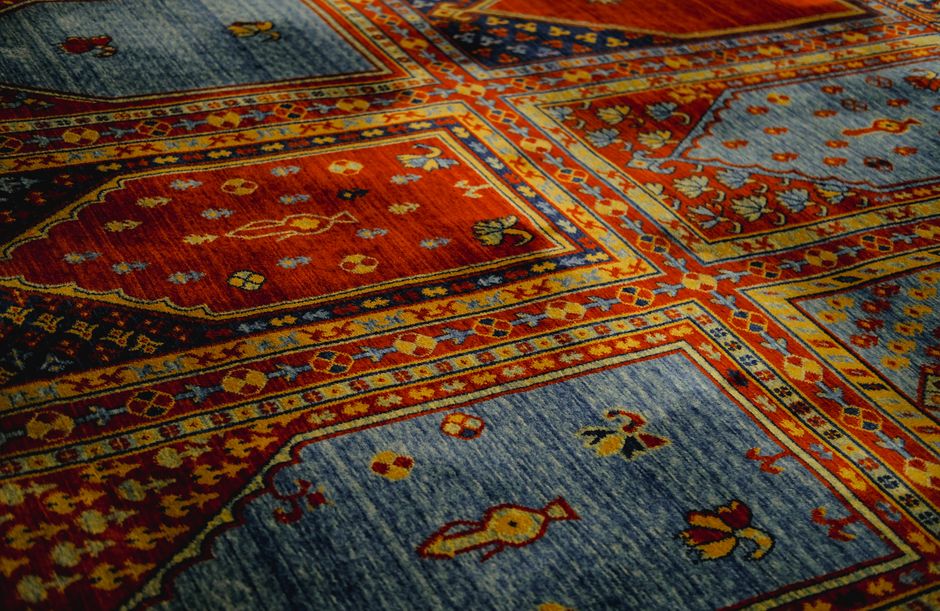
Rug cleaning for properties around St Georges Hospital SW17
If you live, work, manage a rental, or look after a property around St Georges Hospital SW17, rug cleaning can become one of those jobs that quietly gets put off until the stain, smell, or dull patch becomes impossible to ignore. Truth be told, rugs take more abuse than most people realise. Mud from the pavement, coffee, pet hair, hospital visitors wiping shoes at the door, busy family life, and the usual London dust all build up in a way that is easy to miss day by day.
This guide explains Rug cleaning for properties around St Georges Hospital SW17 in a practical way: what it involves, how it works, when it makes sense, what to avoid, and how to judge whether a rug needs a light refresh or a deeper professional clean. You will also find a simple checklist, a comparison table, and a few real-world pointers for homes and properties in and around this part of SW17.
Table of Contents
- Why rug cleaning around St Georges Hospital SW17 matters
- How the rug cleaning process works
- Key benefits and practical advantages
- Who this is for and when it makes sense
- Step-by-step guidance
- Expert tips for better results
- Common mistakes to avoid
- Tools, resources and recommendations
- Law, compliance, standards and best practice
- Options, methods, and comparison table
- Case study or real-world example
- Practical checklist
- Conclusion
- Frequently asked questions
Why Rug cleaning for properties around St Georges Hospital SW17 Matters
Rugs do a lot of visual work in a property. They soften a room, reduce noise, add warmth underfoot, and make a place feel settled rather than temporary. Around St Georges Hospital SW17, where properties may see steady foot traffic, visitors, staff, patients, tenants, or short-stay guests, rugs can pick up soil faster than people expect. And once dirt settles deep into the fibres, it stops being just a surface issue. It can affect smell, texture, and even how clean the whole room feels.
There is also a practical side. A rug that looks tired can drag down the feel of an otherwise tidy flat, maisonette, or family home. For landlords and letting agents, that matters. For homeowners, it is often about comfort and hygiene. For offices or medical-adjacent properties, the standard tends to be a bit higher because first impressions matter. Nobody wants a waiting room, hallway, or reception area looking scruffy by week three.
Near a busy hospital environment, you also see more of the little everyday issues that add up: wet weather coming in on shoes, accidental spills from takeaway tea, disinfectant residue from cleaning routines, and fibres that flatten under repeated use. It sounds minor, but over time it changes the whole look of a space.
Key point: regular rug care is not just about appearances. It helps preserve the rug, improve indoor comfort, and prevent dirt from spreading into the rest of the property.
How Rug cleaning for properties around St Georges Hospital SW17 Works
Rug cleaning is not one single method. The right approach depends on the rug's material, backing, dye stability, size, and how dirty it is. In practice, a careful cleaner will usually begin with inspection rather than cleaning straight away. That first look matters. A wool rug needs a different touch from a synthetic one, and a handwoven piece needs more caution than a machine-made hallway runner.
The process usually follows a few broad stages. First comes dry soil removal. This means loosening dust, grit, hair, and debris before any moisture is introduced. If that step is skipped, dirt can turn muddy during washing and work deeper into the fibres. Not ideal, to be fair.
After that, the rug may be treated for spots or stains. Common issue areas include food spills, drink marks, pet accidents, and dark traffic lanes near doorways. Then comes the main clean, which may involve controlled shampooing, hot water extraction on suitable rugs, low-moisture cleaning, or hand washing depending on the fabric and construction.
Once cleaned, a rug needs proper drying. That part is often underestimated. Drying too fast can distort some fibres; drying too slowly can leave a stale smell or create a musty problem. A good result depends on both cleaning and drying being done properly. One without the other is only half the job.
For more routine property care, many people combine rug treatment with wider maintenance such as carpet cleaning, upholstery cleaning, or a deep cleaning visit when several soft furnishings need attention at once.
Key Benefits and Practical Advantages
The benefits of proper rug cleaning are easy to see once the work is done. The room looks brighter, the fibres spring back a little more, and that lingering flat, lived-in feeling starts to ease. But the practical value goes further than appearances.
- Better appearance: colour often looks clearer once soil is removed, especially in patterned rugs where dirt hides in the design.
- Improved freshness: a clean rug helps reduce stale odours from everyday use, pets, or damp shoes.
- Longer rug life: embedded grit can wear fibres down over time, so cleaning helps slow that abrasion.
- More comfortable rooms: rugs feel softer and more pleasant underfoot when they are properly maintained.
- Better presentation for rentals and sales: in a property near St Georges Hospital SW17, a clean rug can lift the whole impression of a room in seconds.
- Cleaner surroundings: less dust trapped in the rug can mean less gets disturbed back into the room.
There is also a psychological side, if we are honest. A freshly cleaned rug makes a room feel more looked after. You notice it when you walk in. The space feels calmer, less heavy, less "we'll sort that later." And that small shift can matter more than people think.
Who This Is For and When It Makes Sense
Rug cleaning around St Georges Hospital SW17 makes sense for a wide range of property types and situations. Some are obvious. Some are not.
- Homeowners who want to refresh a living room rug, hallway runner, or bedroom piece.
- Landlords preparing a property for new tenants or dealing with wear between lets.
- Letting agents who need properties to present well without replacing items unnecessarily.
- Families dealing with spills, muddy shoes, food crumbs, or pet hair.
- Busy professionals who simply do not have the time or equipment to clean properly themselves.
- Short-let hosts who need quick turnaround between guests.
- Office managers or small business owners who use rugs in reception, meeting, or communal areas.
It also makes sense when the rug itself looks fine at first glance but no longer feels fresh. That is often the point where people realise cleaning is overdue. If you lift one corner and see dust that does not come away with a vacuum, or if a once-soft rug feels a bit stiff, that is usually a sign that surface cleaning alone is no longer enough.
Rug cleaning is also a sensible choice after building works, renovations, or heavy seasonal use. Winter in London can be rough on soft furnishings. Wet shoes, road grime, and lower indoor ventilation all contribute to dirt building up faster than expected. You can vacuum religiously and still end up with a rug that needs proper attention. Annoying, yes. Normal, also yes.
Step-by-Step Guidance
If you are trying to work out what happens during a proper rug clean, here is the process in plain English.
- Inspect the rug carefully. Check material, size, condition, dye stability, and any problem areas. This determines the safest method.
- Test for colour bleed where needed. Some dyes can run, especially in older or handmade rugs. This needs caution before moisture is introduced.
- Remove loose soil first. Vacuum both sides where appropriate, and pay attention to fringes, edges, and underfibre dust.
- Pre-treat spots and traffic lanes. Grease, drink marks, and muddy patches often need targeted treatment before the main clean.
- Choose the right cleaning method. This may be hand washing, low-moisture treatment, or controlled extraction depending on the rug.
- Rinse or extract thoroughly. Residue left behind can make fibres feel sticky or attract dirt more quickly.
- Dry with care. Airflow matters. So does temperature. A rug should dry evenly, not just on the surface.
- Final grooming and inspection. Fibres may be brushed or reset, and the rug should be checked for any missed spots or edge issues.
For a homeowner, the first and last steps are the easiest to underestimate. Inspection tells you what not to do. Drying tells you whether the job was actually finished. The middle gets the attention, but those bookends are what save headaches later.
Expert Tips for Better Results
A few small habits make a big difference, especially in properties where rugs are in regular use.
- Vacuum before dirt settles deep. A quick, regular pass is much better than waiting until the pile looks dull.
- Rotate the rug occasionally. This helps even out wear from foot traffic and sunlight.
- Act on spills fast. Blot gently. Do not rub like you are trying to erase a bad decision. Rubbing usually pushes the mark deeper.
- Check the backing and edges. Fraying often starts there, and early attention can prevent bigger damage.
- Use protection under heavy furniture. It helps reduce crushing and can stop one section from wearing faster than the rest.
- Keep dampness under control. In London properties, especially near busy entry points, moisture from shoes and weather can become a hidden issue.
One practical tip that often gets missed: if you have several rugs in the property, clean them on a sensible schedule rather than waiting for all of them to look bad at once. Different rooms wear differently. A hallway runner near the entrance will age far faster than a rug in a guest bedroom that is barely used.
Also, if you are comparing cleaning services, ask how they handle delicate fibres, drying, and stain treatment. A confident answer is usually specific, not vague. That tells you more than a polished sales line ever will.
Common Mistakes to Avoid
Rug cleaning can go wrong in surprisingly ordinary ways. Most issues are avoidable, which is the good news.
- Using too much water: oversaturating a rug can cause long drying times, odours, or backing damage.
- Scrubbing aggressively: this can distort the pile, spread the stain, or weaken fibres.
- Using the wrong product: some detergents are too harsh for wool, natural fibres, or handmade rugs.
- Skipping a test patch: especially important with older rugs or strong dyes.
- Ignoring drying conditions: a clean rug that stays damp too long is not really a success.
- Cleaning only the visible side: dirt often settles underneath too.
- Assuming one method suits all rugs: it simply does not.
There is a temptation to treat rug cleaning like a quick household job. Sometimes it is. But with better rugs, inherited pieces, or anything with sentimental value, caution beats speed every time. No prize for rushing.
Tools, Resources and Recommendations
You do not need a specialist van full of equipment to keep a rug in decent shape, but the right tools help. For day-to-day maintenance, a vacuum with a gentle brush setting, a soft brush, clean white cloths, and a neutral spot-cleaning solution are usually the basics. For larger or more delicate rugs, proper washing equipment and controlled drying space matter much more.
If you are deciding whether to book a service, it helps to think in terms of the rug's value and the risk of getting it wrong. A cheap synthetic rug in a utility space may only need a simple refresh. A wool rug in a main sitting room, or a piece that has been with the family for years, deserves far more care.
When bundling services for a property, it can also make sense to coordinate rug care with sofa cleaning, one-off cleaning, or end of tenancy cleaning if the whole place needs a reset. That often saves time and avoids cleaning one soft furnishing while the rest of the room is still tired.
If you want to understand service standards and how a cleaning company approaches jobs more broadly, pages such as about us, insurance and safety, and pricing and quotes can help you judge whether the provider feels organised and transparent.
Law, Compliance, Standards and Best Practice
For rug cleaning itself, there is usually no special legal framework that applies in the same way as there might for construction or clinical work. But good practice still matters, especially in properties near a hospital where hygiene, safety, and tenant expectations can be sensitive.
From a practical UK property-management point of view, best practice usually includes safe handling of cleaning products, clear communication where access is needed, and care with electrical equipment and wet floors. If a rug is being cleaned in a rental property, it is sensible to avoid methods that could cause damage and lead to avoidable disputes later. That sounds obvious, but you would be surprised how often it gets overlooked.
For service providers, sensible standards include:
- using appropriate cleaning products for the fibre type
- protecting surrounding flooring and furnishings
- making sure rugs dry properly before they are put back
- being clear about limitations for antique, handmade, or dye-sensitive pieces
- having suitable insurance and safety procedures in place
If you are booking a cleaner for a shared or occupied property, health and safety should not be treated as a checkbox exercise. Wet surfaces, cords, and moving furniture all need care. A trustworthy company will usually be happy to explain how they manage this. If they are vague, that is worth noticing.
For broader reassurance, you can review practical policies such as health and safety policy, payment and security, and terms and conditions before booking.
Options, Methods, and Comparison Table
Different rugs need different approaches. Here is a simple comparison to help you think through the options.
| Method | Best for | Pros | Watch-outs |
|---|---|---|---|
| Vacuum and spot care | Lightly used rugs or regular maintenance | Quick, low cost, good for routine upkeep | Won't remove deep soil or set stains |
| Low-moisture cleaning | Delicate rugs or situations needing faster drying | Less water, often safer for some fibres | May not suit heavy soiling |
| Hot water extraction | Some synthetic rugs with deep dirt build-up | Strong soil removal when used correctly | Not right for every rug; drying must be managed |
| Hand washing | Wool, antique, handmade, or sensitive rugs | More control and care | Slower and usually more labour-intensive |
| Professional off-site cleaning | High-value or heavily soiled rugs | Better drying control and more thorough treatment | Requires collection and return logistics |
So which is best? It depends. A hallway rug near a front door around St Georges Hospital SW17 may need a more robust clean than a decorative rug in a spare room. A handmade piece may need the opposite. The right answer is not always the most powerful method. Often it is the safest one.
If you are comparing cleaning businesses, a useful signal is how they explain the difference between carpet and rug care. A good cleaner will not pretend they are the same thing. They are close, yes, but not identical. Rugs move. They have edges, backing, and sometimes fragile construction. That changes the job quite a bit.
Case Study or Real-World Example
Here is a straightforward example from a typical SW17 property scenario. A family in a ground-floor flat near St Georges Hospital had a medium-sized rug in the living room. It looked generally fine from standing height, but the centre traffic area had gone dull and there was a faint odour after a wet winter. The rug had also started to feel flatter underfoot.
After inspection, the cleaner identified a synthetic blend that could take a controlled wash but needed careful drying. Dry soil was removed first, then the traffic lanes were pre-treated. The rug was cleaned using a method suitable for its fibres, and it was dried in a controlled way rather than being left in a warm room with the hope of "sorting itself out." That never ends well, by the way.
The result was not dramatic in the flashy sense. It was better than that. The colours looked sharper, the living room felt fresher, and the rug no longer had that slightly heavy, damp-season feel. The family said the room just seemed more itself again. That is often what good rug cleaning does. It quietly restores the room without drawing attention to the process.
In another common case, a landlord preparing a property for new tenants found that replacing the rug would have been unnecessary. A proper clean and a bit of edge grooming gave the room a presentable finish at a lower cost than replacement. That is the kind of decision that makes sense in real life, not just on paper.
Practical Checklist
Use this quick checklist before you book or attempt rug cleaning yourself.
- Check what the rug is made from.
- Look for labels, care notes, or signs of hand-finishing.
- Inspect for stains, odours, fading, or fraying edges.
- Decide whether the rug is low-risk or needs specialist care.
- Test any spot treatment in a hidden area first.
- Make sure drying conditions are suitable.
- Move nearby furniture if needed, or ask the cleaner how they handle it.
- Consider cleaning other soft furnishings at the same time if the room needs a broader refresh.
- Ask how long the rug should stay off the floor before use.
- Confirm whether collection, return, or on-site cleaning is the best option.
Quick reality check: if you are unsure about a rug's value, fibre type, or dye stability, do not guess. A little caution now can save a lot of regret later.
For a more joined-up property refresh, it can be helpful to look at domestic cleaning, house cleaning, or even window cleaning if you want the whole place to feel lighter and brighter at the same time.
Get a free quote today and see how much you can save.
Conclusion
Rug cleaning for properties around St Georges Hospital SW17 is really about protecting the feel of a property as much as the rug itself. Whether you are a homeowner, landlord, or business owner, a clean rug improves presentation, supports hygiene, and helps a room feel properly cared for. The biggest wins usually come from using the right method, drying it properly, and not waiting until the rug looks past saving.
If you are in doubt, start with the basics: identify the material, check the condition, and match the cleaning method to the rug rather than forcing the rug to match the method. Simple, but important. A well-cared-for rug does not shout for attention. It just makes the whole room feel better, which is usually what you wanted all along.
Frequently Asked Questions
How often should rugs be cleaned in properties around St Georges Hospital SW17?
It depends on use, fibre type, and foot traffic. Busy hallways and living rooms may need more regular attention than spare rooms. A mix of routine vacuuming and periodic deeper cleaning is usually the most sensible approach.
Can all rugs be cleaned the same way?
No. Wool, synthetic, handmade, antique, and low-pile rugs all behave differently. The safest method depends on the fibres, dyes, backing, and overall condition.
Is on-site rug cleaning always the best option?
Not always. On-site cleaning works well for some rugs, but valuable, delicate, or heavily soiled rugs may benefit from off-site treatment where drying and handling can be controlled more closely.
How do I know if a rug needs professional cleaning?
If vacuuming no longer restores the look, the rug smells musty, stains keep returning, or the fibres feel sticky or flat, professional cleaning is probably worth considering.
Will rug cleaning remove pet odours?
Often it helps a lot, but results depend on how deep the issue goes. Surface odours are easier to treat than those that have soaked into the backing or underlay.
Can a rug be cleaned if it has delicate fringes?
Yes, but the fringes need careful handling. They are often one of the easiest parts to damage, so gentle methods and controlled drying are important.
How long does a rug take to dry after cleaning?
Drying time varies widely based on the rug's thickness, material, cleaning method, and room conditions. The key is to make sure it is fully dry before regular use again.
Is rug cleaning worth it for tenants or landlords?
Usually, yes, especially when a rug is part of the property's presentation. Cleaning is often more cost-effective than replacement if the rug is still in decent structural condition.
What should I ask before booking a rug cleaning service?
Ask what method they use, how they handle different fibres, how drying is managed, whether they carry insurance, and what happens if a rug is damaged or colour runs.
Can I clean a rug myself with supermarket products?
For light maintenance, sometimes yes. But product choice matters, and some rugs are not suitable for generic treatments. If in doubt, test first or get advice before using anything strong.
Does rug cleaning help with indoor air quality?
It can help by removing trapped dust and debris from the rug pile. That said, it is just one part of keeping a property comfortable and clean.
What is the difference between rug cleaning and carpet cleaning?
Rugs are movable and often more delicate, with edges, backings, and construction details that carpets do not have in the same way. Carpet cleaning and rug cleaning overlap, but the handling is not identical.